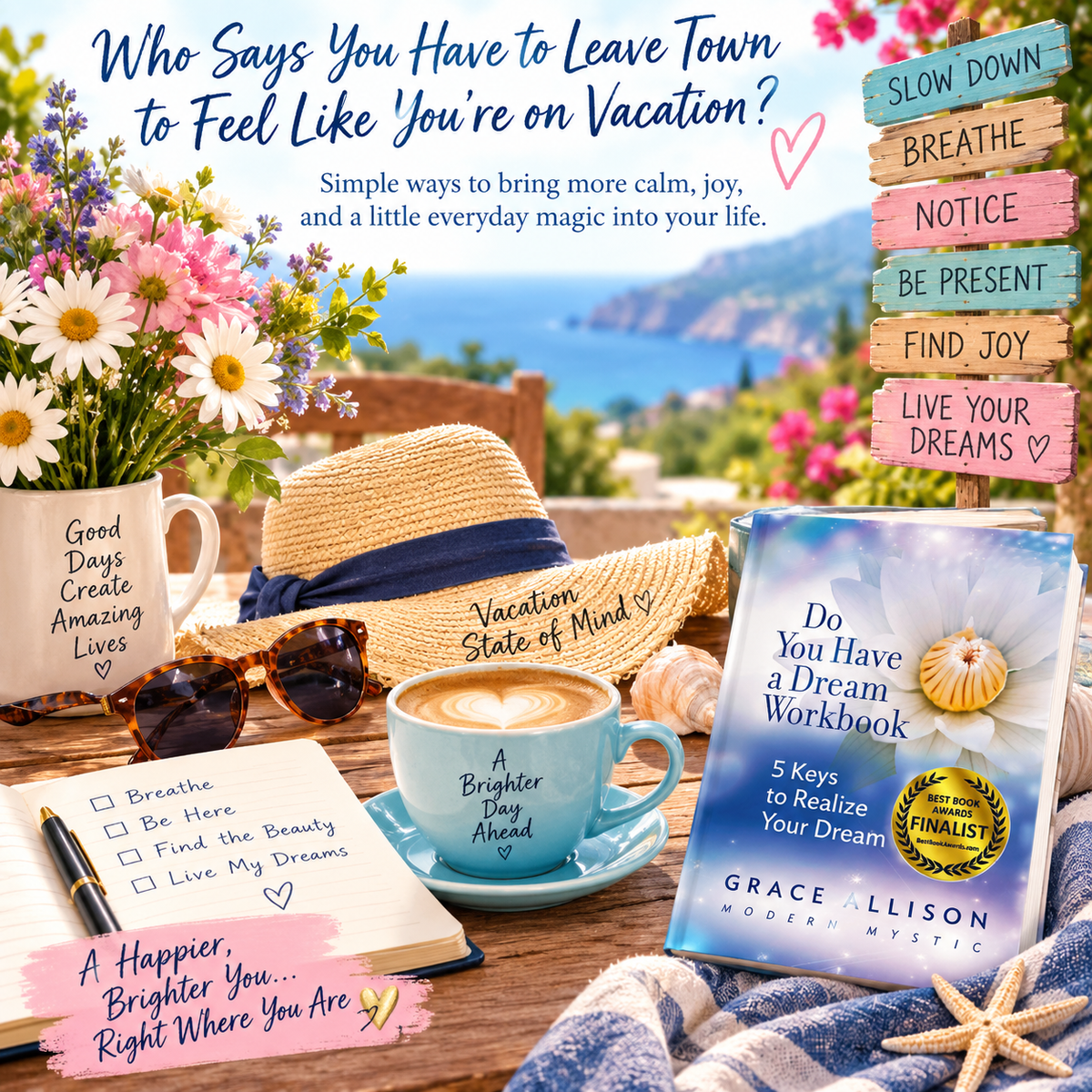
Who Says You Have to Leave Town to Feel You’re on Vacation?
Busy professionals juggling deadlines, family logistics, and a never-ending to-do list often notice a sharp contrast between vacation emotional benefits and the grind of everyday life stress. Time off can bring ease, presence, and a clearer sense of what matters, yet normal routines quickly refill with micro-pressures that make work-life harmony challenges feel constant. When days become all maintenance and momentum, emotional disconnection in routines can sneak in even when life looks “fine” from the outside. For general readers seeking balance, the goal is simple: make ordinary days feel lighter and more emotionally satisfying.
Why Vacations Feel Different to Your Brain
Vacations feel lighter because your brain reads them as freedom. There are fewer tiny choices, fewer background obligations, and more permission to follow your attention. Add novelty and distance from the familiar, and mood often steadies because you are not constantly bracing for the next task, much like people who seek out new environments.
Daily life works in reverse. Routine creates a steady drip of micro-decisions, small time pressures, and unfinished loops that quietly tax your emotional capacity. Over time, that low-grade strain can flatten enjoyment even when nothing is “wrong.”
Think about hotel mornings versus weekdays. On vacation, you pick breakfast, then the day opens up; at home, you juggle messages, schedules, and errands before you have even eaten. That is the difference between novelty and autopilot. With that contrast clear, your wind-down can borrow vacation cues through breathwork, sensory calm, mindfulness, and a calming herbal ritual.
Try 4 Gentle Evening Practices for Deeper Relaxation
When your brain has been running in "always on" mode, the fastest way back to that vacation calm is often a simple, repeatable wind-down. Adding gentle, alternative relaxation methods to your evenings can make it easier to downshift into presence and get the mental reset you usually feel when you're away. If you're curious, try one option for a few nights and notice what helps your body feel safe, steady, and ready for rest:
● Breathwork: slow, intentional breathing to signal your nervous system to relax.
● Soothing sensory cues: calming scents, soft lighting, or soothing sounds that tell your brain it's time to unwind.
● Chamomile tea: a mild, widely used herbal option many people sip in the evening to ease into wind-down mode.
● Lavender: a calming scent, whether from a tea, a lotion, or a diffuser, that many people build into a bedtime routine as a signal its time to relax.
10 Easy Ways to Bring Vacation Ease into Your Weekday
A vacation feeling usually comes from a few repeatable ingredients: unhurried moments, small surprises, and being where your feet are. Try these simple moves to break weekday monotony and build more ease into the life you already have.
- Book two “micro-rest” breaks like appointments: Put two 5–10 minute blocks on your calendar, one late morning, one mid-afternoon, and protect them the way you’d protect a meeting. Use the time for true downshifting: sit outside, lie on the floor with your legs up the wall, or do a slow stretch. This works because intentional rest isn’t accidental; resources on how to make intentional rest a part of your routine emphasize that consistency makes it restorative.
- Use a 10-minute mindfulness reset (especially when you feel “wired”): Pick one predictable moment, after lunch, right after work, or before you start dinner, and do 10 minutes of quiet breathing, a body scan, or a guided practice. A study found stress benefits when people used a daily 10-minute mindfulness application, and you can copy the same “small but daily” formula without overhauling your schedule. If evenings are your toughest time, pair this with one of your unwind options, breathwork, calming sensory cues, or mindful relaxation, so your nervous system gets a clear “safe to land” signal.
- Upgrade one ordinary ritual (coffee, shower, commute) into a mini escape: Pick one routine you already do and add a sensory detail that says “treat.” Examples: shower by candlelight with one calming scent, make your morning drink in your favorite mug and drink it sitting down, or turn your commute into a “quiet ride” with no podcasts, just a few deep breaths and scenery. These small enjoyment upgrades teach your body that pleasure isn’t only reserved for weekends.
- Create a 15-minute “arrival” buffer after work: Before you jump into chores, give yourself a quick transition so your brain stops acting like it’s still on the clock. Set a timer for 15 minutes and do one soothing unwinding tool from your evening menu, slow breathing, a warm drink, soft lighting, or a quick mindful relaxation practice. This prevents the common pattern of hitting the couch exhausted and then scrolling because you never actually decompressed.
- Do a “vacation pace” meal once or twice a week: Choose one meal to eat more slowly and more intentionally, no phone, no standing at the counter. Add one simple touch: plate it nicely, open a window, play quiet music, or eat outside if you can. Even 20 minutes of unhurried eating can feel like a reset because it recreates that travel-day spaciousness.
- End the day with a 3-line memory capture: Vacations feel longer because you remember them; weekdays blur when nothing gets encoded. Each night, write three lines: one pleasant moment, one thing you noticed (a smell, color, sound), and one thing you did to help your future-self. Over time, you’ll feel more “I had a day” instead of “Where did the day go?”, and you’ll have a simple way to spot what’s keeping you from feeling rested.
Common Questions About Vacation-Style Habits
Q: How can I keep a vacation vibe when I’m genuinely busy?
A: Shrink the goal to something you can win: one 5-minute pause and one tiny pleasure today. Attach it to an existing cue, like the kettle boiling or your computer shutting down. Consistency matters more than duration.
Q: Why do I feel guilty resting when there’s so much to do?
A: Guilt is often a sign you’ve equated worth with productivity, not a sign you’re doing something wrong. Try reframing rest as maintenance that protects your mood, patience, and focus. Start with a timer so rest feels contained and “allowed.”
Q: What if I can’t stay consistent with mindfulness?
A: Keep it practical: mindfulness is typically defined as paying attention on purpose, so one slow breath you notice counts. Pick one repeatable moment each day and do the smallest version. If you miss a day, restart at the next cue without judging it.
Q: When I try to relax, why do I feel more “wired”?
A: Your nervous system may be downshifting from high gear, and that can feel strange at first. Use a transition ritual, like warm water on your hands, slower exhale breathing, or a quick body scan. Give it a week of repetition before you judge the results.
Sometimes creating space in our day does more than help us relax, it gives our dreams room to speak again. Grace Allison explores this idea in Do You Have a Dream Workbook: 5 Keys to Realize Your Dream, a hands-on invitation to pause, listen inwardly, and begin turning the dreams we carry into something we can live. After all, perhaps the life we keep waiting to escape to is the life we're meant to create.
Make Vacation Calm Last with One Daily Ritual
Even with the best intentions, real life crowds out rest, then guilt and screens pull the calm even farther away. A vacation mindset is buildable because it’s less about getting away and more about applying wellness insights that support motivating balanced living, one repeatable choice at a time. Over time, those small choices shift the baseline: more ease in your body, clearer boundaries, and inspiration for daily joy that doesn’t depend on perfect circumstances, with real benefits of vacation mindset for long-term emotional well-being. Joy is practice, not a place.