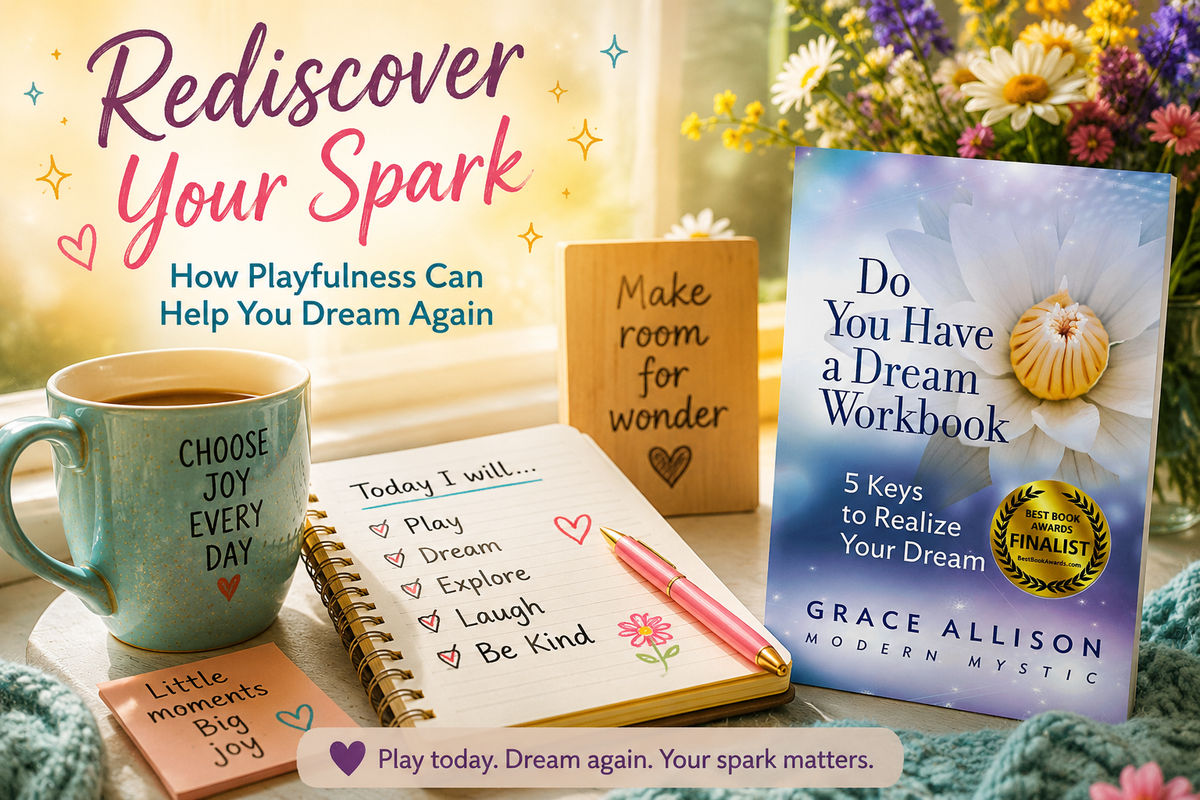
Rediscover Your Spark: How Playfulness Can Help You Dream Again
How Playfulness Can Help You Dream Again
Whimsy maxxing is the intentional practice of adding playfulness, imagination, and moments of childlike delight to everyday life. Rather than dismissing joy as frivolous, psychologists increasingly recognize that playful activities can help interrupt chronic stress, support nervous system regulation, and encourage the brain's natural reward pathways associated with dopamine. While whimsy isn't a cure for burnout or mental health conditions, weaving small moments of fun into your routine can make daily life feel lighter, more engaging, and more emotionally balanced.
In a Nutshell
● Whimsy maxxing means intentionally creating moments of delight throughout the day.
● Playfulness can reduce feelings of stress and help shift attention away from constant pressure.
● Small rituals often have a bigger impact than grand gestures.
● Anyone can practice whimsy—no artistic talent or expensive hobbies required.
● Consistency matters more than intensity.
Why Adults Need More Play
Many people quietly outgrow play without ever choosing to. Work, responsibilities, and endless to-do lists slowly crowd out curiosity until every day begins to feel transactional.
That's where whimsy maxxing comes in.
The goal isn't to avoid reality. It's to make reality more enjoyable. Whether you're doodling during a coffee break, taking a different walking route just to explore, or turning ordinary routines into tiny adventures, these playful moments give your brain opportunities to reset.
Psychologists have long associated healthy forms of play with creativity, emotional flexibility, and resilience. Brief experiences of joy can also interrupt cycles of rumination, making it easier to return to demanding tasks with renewed focus.
Tiny Changes That Create Big Smiles
|
Everyday Activity |
Whimsical Twist |
Why It Helps |
|
Morning
coffee |
Drink
from a favorite colorful mug |
Creates
a positive daily cue |
|
Walking
outside |
Look
for unusual flowers or interesting clouds |
Encourages
mindfulness |
|
Grocery
shopping |
Buy one ingredient you've never tried |
Sparks
curiosity |
|
Journaling |
Add
stickers, sketches, or colorful pens |
|
|
Listening
to music |
Promotes
movement and positive emotion |
A Simple Way to Start Today
Instead of trying to overhaul your personality, build one playful habit at a time.
Whimsy Maxxing Checklist
☐ Wear something that makes you smile.
☐ Spend five minutes creating something just for fun.
☐ Notice three interesting things you usually overlook.
☐ Say yes to a spontaneous moment that feels safe and enjoyable.
☐ End the day by remembering one unexpectedly delightful experience.
None of these tasks require extra money or hours of free time. They simply encourage you to notice opportunities for joy that already exist.
Sometimes rediscovering playfulness does more than brighten an ordinary day. It can remind us of dreams we quietly set aside.
When we become curious again, we may begin asking questions we haven't asked in years: What would I love to do? What have I always wanted to try? What would bring more meaning and joy into my life?
That's a question close to my heart. In my Do You Have a Dream Workbook: 5 Keys to Realize Your Dream, I encourage readers to move beyond simply wishing for something and begin discovering practical steps that can bring a dream into reality.
Whimsy can be part of that process. Give yourself permission to imagine before deciding whether an idea is practical. Play with possibilities. Write the unlikely idea. Follow your curiosity. Sometimes a dream begins with something as simple as allowing yourself to wonder, What if?
Make Everyday Rituals More Enjoyable
One surprisingly effective way to reinforce playful habits is by transforming ordinary objects into reminders of creativity. A favorite coffee or tea mug can become part of a daily ritual that encourages a brief pause before work begins or during an afternoon break.
Ordinary objects can become reminders to approach life with more imagination. A colorful mug, a favorite journal, flowers on your desk, or even a funny screensaver can become a small daily signal: Don't take every moment so seriously.
A Helpful Resource for Building More Joy
If you'd like practical, research-informed ideas for bringing more positive emotion into everyday life, the Greater Good Science Center at the University of California, Berkeley offers accessible articles and exercises on happiness, gratitude, mindfulness, and well-being.
Explore their resources here:
https://greatergood.berkeley.edu/
Frequently Asked Questions
Is whimsy maxxing just another social media trend?
The name is relatively new, but the underlying idea—intentionally incorporating play into daily life—aligns with long-standing psychological understanding of the benefits of healthy play, creativity, and positive emotion.
Can it really help with burnout?
Whimsy alone won't solve chronic burnout, especially when workload or workplace conditions are the root cause. However, playful moments may help reduce stress, improve mood, and create opportunities for emotional recovery alongside broader lifestyle or professional changes.
Do I need to be creative?
Not at all. Whimsy is about curiosity, not artistic ability. Reading a fantasy novel, collecting interesting rocks, making funny pancakes, or singing while cooking all count.
Is there a right way to do it?
No. The best version of whimsy maxxing is the one that genuinely brings you joy without adding pressure or becoming another item on your checklist.
Rediscover the Fun You Forgot
Growing older doesn't require leaving playfulness behind. Whimsy maxxing simply gives adults permission to reconnect with curiosity, imagination, and moments of everyday delight. Start small, stay consistent, and let simple rituals remind you that joy doesn't always arrive on special occasions—it can be built into ordinary days, one playful choice at a time.
A Note from Grace Blair, Author
One reason I wanted to share Cheryl's article is that dreams need imagination. Before we can create something new in our lives, we first must give ourselves permission to imagine that it is possible.
Perhaps that's one of the hidden gifts of play. We take out of the world of I should and I can't long enough to hear the quieter voice that asks, What would I love?
If that question awakens something in you, my Do You Have a Dream Workbook: 5 Keys to Realize Your Dream helped you explore that answer and begin turning your dream into action.